


What to Book in Advance in Italy (And What Not To)

Updated: May 19
Some links in this post may earn me a small commission, at no extra cost to you. Think of it as a tiny thank-you for helping you avoid packing regret, bad shoes, and panic-shopping linen at the airport.
Italy rewards thoughtful planning.

Not overplanning. Not the kind that leaves no room for a long lunch, a beautiful detour, or the boutique you did not mean to walk into and somehow leave with linen in hand. But thoughtful planning? That changes the trip.
Because Italy is one of those places where a few smart reservations make everything feel easier. The right hotel. The right train. The restaurant you would actually be disappointed to miss. The beach club day that becomes one of the best memories of the trip.
At the same time, not everything in Italy should be locked in months ahead. Some of the best moments happen because you left enough room for them.
After more than 20 trips to Italy, this is the balance I come back to again and again: reserve the things that shape the trip, then leave enough space for Italy to unfold.
If You Are Planning Italy Right Now, Start Here
If you want the organized version of all of this, my Italy Planning Kit helps you map your trip clearly from the start — what to book first, what can wait, and how to build an itinerary that feels polished, practical, and well paced.

What should you book in advance in Italy?
As a general rule, these are the things I like to reserve ahead:
Hotels
Major train routes
High-demand museums and landmarks
Beach clubs
Special restaurants
Private drivers and key transfers
Rental cars, especially automatics
Small-group or limited-capacity experiences
And these are usually fine to leave more flexible:
Casual meals
Cafe stops and aperitivo
Everyday city transport
Shopping time
Wandering time
Smaller cultural stops that are not true priorities
That is usually the sweet spot. Italy feels best when it is well considered, not overcontrolled.
1. Hotels should be booked in advance. No question.
If there is one thing I would not leave late in Italy, it is where you are staying.
The best properties are often booked long before the trip begins, especially in places like Capri, Positano, Venice, Florence, Rome, Lake Como, and Taormina. That applies to grand hotels, of course, but also to beautifully located boutique stays, elegant smaller properties, and the rooms with the terrace, the view, or the exact atmosphere everyone wants.
And in Italy, hotel choice is not just about where you sleep. It shapes your days. The right location means easier mornings, prettier walks, smoother logistics, and a trip that starts to feel good the moment you check in.
I would almost always rather stay in the right place than simply chase the bigger room or lower rate.
Styled & Miles Insider Tip
In places like Capri or the Amalfi Coast, I think of the hotel as part of the trip itself. Book that first, then build the rest of the itinerary around it.
2. Book major train routes early, especially if schedule and comfort matter
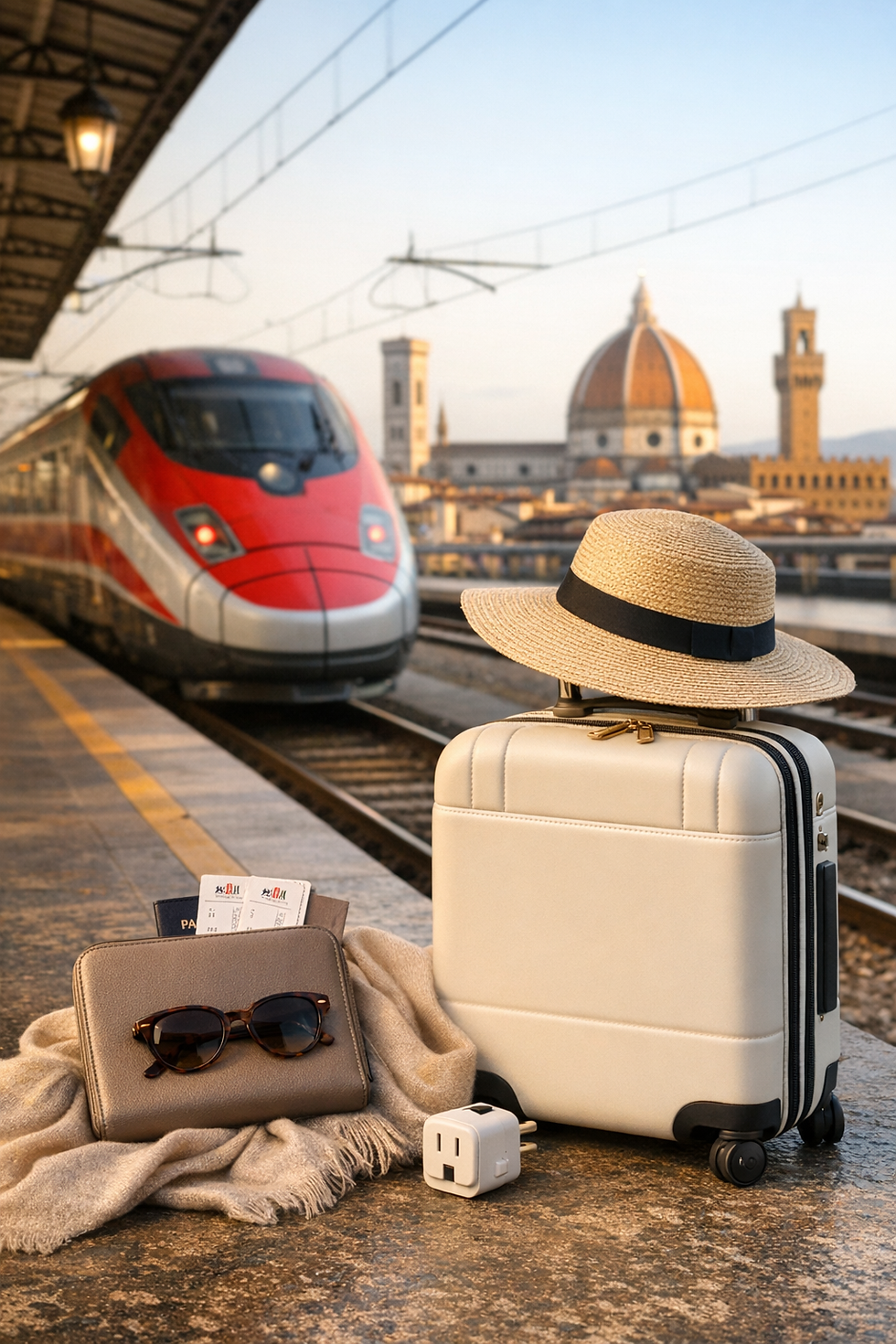
One of the reasons I love Italy is that train travel can be genuinely pleasant. It is efficient, practical, and often much easier than driving between major cities.
But for the major high-speed routes, I do like to reserve in advance.
Not because it is impossible otherwise, but because earlier booking usually means better pricing, better departure times, and better seating choices. And if your day includes a hotel check-in, a ferry connection, a dinner reservation, or simply the desire to arrive feeling polished instead of rushed, that matters.
This is especially true for routes like:
Rome to Florence
Florence to Venice
Rome to Naples
Milan to Venice
If I am taking one of those major routes, I want it settled.
Regional trains are another story. Those often allow for more spontaneity. But the anchor transfers in your itinerary are worth handling ahead of time, especially in spring, summer, and holiday periods.
Trying to decide between trains and a rental car in Italy? Here’s what actually works best by route, travel style, family travel, and the kind of experience you want to have once you get there.
Travel Pieces That Make Italy Easier
Packing for Italy? This chic Italy travel essentials edit includes the stylish shoes, bags, outfits, beauty products, and smart accessories you’ll actually use for Rome, Florence, Venice, Capri, the Amalfi Coast, and beyond.

3. Reserve the major museums and landmarks you truly care about
This is one of the most common planning mistakes in Italy. People assume they can simply show up to the Vatican Museums, the Colosseum, the Uffizi, or the Accademia and sort it out on arrival. Occasionally that works. More often, it means a poor entry time, a long line, or missing the experience altogether.
If there is a landmark or museum you would be genuinely disappointed to miss, pre-book it.
In particular, I would be proactive with:
Vatican Museums
Colosseum
Uffizi Gallery
Accademia Gallery
These are not the places where I want to gamble on timing.
That said, I do not believe in booking every cultural stop just to say it is done. Italy is layered. You do not need to collect every church, museum, and monument in a single trip to have done it well. Reserve the major things that matter to you, then let the rest of the city unfold more naturally.
4. Book beach clubs early if coastal Italy is part of the trip
If your itinerary includes Capri, the Amalfi Coast, or another seaside destination during warm weather, beach clubs are one of the first things I would look at.
This is a detail people often underestimate. They assume they can decide once they arrive, then find out the prettiest setups, the best locations, or the clubs with the right atmosphere are already spoken for.
Some clubs are easy to reserve. Some require an email. Some want a deposit. Some are more responsive than others. None of that is difficult, but it is better handled before the trip than during it.
If you already know you want one of those polished, sun-soaked, beautifully paced beach days, reserve it.
Book ahead for:
Amalfi Coast beach clubs
front-row or premium setups
peak-season weekends
beach lunches tied to the reservation
You can be more flexible with:
casual lidos
lower-demand destinations
shoulder-season beach plans where you are happy to decide later

The beach club day is rarely just a beach day in Italy.
It is lunch, mood, setting, pace, and often one of the most memorable days of the trip. If it matters to you, reserve it like it matters.
5. Book standout restaurants, not every meal
Italy is not a place where I want every lunch and dinner locked in before I leave home.
But the meals that matter? Yes.
If there is a restaurant you are genuinely excited about, a famous terrace, a Michelin dinner, a coveted waterfront table, or a place that shapes the mood of the evening, I would reserve it. Italy has no shortage of wonderful meals, but the most in-demand tables are not waiting around for last-minute inspiration.
I especially like to pre-book:
a special first-night dinner
one or two standout meals in each major stop
Michelin restaurants
high-view or high-demand restaurants
harder-to-book places in Capri, Venice, Florence, Rome, and the Amalfi Coast
What I usually leave open:
casual lunches
aperitivo stops
neighborhood trattorias
easy dinners when the day may shift
This is the balance I prefer. A few excellent anchors, then enough freedom for the kind of lunch that turns into another glass of wine because the table is too nice to leave.
You may also be interested in my Italy Food Guide. The more thoughtfully you approach food in Italy, the better the trip tends to taste.
Get the Italy Notes
Join the Styled & Miles email list for planning notes, wardrobe guidance, destination ideas, and the little details that help an Italy trip feel smoother from the start.
6. Book drivers and important transfers when logistics are part of the day
Some parts of Italy are wonderfully simple. Others are not.
If your trip includes airport arrivals after a long-haul flight, ferry connections, luggage-heavy travel days, countryside transfers, or destinations where the logistics are part of the challenge, I would absolutely arrange those in advance.
That is not about being overly precious. It is about protecting your energy.
A well-timed transfer can mean the difference between arriving at your hotel calm enough for a proper evening and arriving already feeling behind.
I am most likely to pre-book:
airport transfers after overnight flights
port transfers in Capri and along the Amalfi Coast
early morning departures
driver-heavy sightseeing days
wine region transportation
multi-step travel days with little room for error
For simple city movement, I stay flexible. But when the transport itself affects the shape of the day, I prefer to have it handled.

The Shoes to Pack Before You Even Start Booking Dinner Reservations
Italy is not the place to test-drive a brand-new pair of “they’re cute but questionable” shoes. Between cobblestones, train platforms, museum days, hill towns, long lunches, and the casual 18,000-step day you did not see coming, your shoes need to be both beautiful and deeply practical.
The sweet spot is a small rotation: one polished walking sneaker, one chic flat sandal, and one slightly dressier pair that can handle aperitivo without punishing you by dessert. Think comfortable, walkable, and elegant enough that you still feel pulled together in every photo.
7. Reserve rental cars early if you actually need one

A car in Italy can be brilliant or unnecessary. Sometimes both on the same trip.
If you are staying in the Tuscan countryside, exploring Sicily, driving through Puglia, or spending time in smaller towns where a car genuinely improves access, book it ahead. This matters even more in high season and especially if you want an automatic.
Automatic cars are more limited than many travelers expect, and I would not leave that to chance.
I would book early for:
summer travel
automatic vehicles
airport pickup
multi-stop countryside itineraries
larger luggage needs
But I would not rent a car by default. Italy is one of the easiest places to overcomplicate with a vehicle you do not actually need. In many city-based itineraries, trains are the better choice. Less stress, less parking drama, less navigating streets that were never designed for modern driving in the first place.
This is one of those decisions where practicality is part of traveling well. Trying to decide between trains and a rental car in Italy? Here’s what actually works best by route, travel style, family travel, and the kind of experience you want to have once you get there.
8. Book limited-capacity experiences that feel worth protecting
Not every Italy trip needs tours layered all over it. But the right experience can absolutely elevate the trip.

If there is something specific you care about, book it. Private guides, food tours, cooking classes, vineyard visits, boat days, and small-group experiences often have limited availability, and the good ones tend to go first.
What I book ahead:
boat charters
cooking classes I am genuinely excited about
vineyard visits with limited space
specialty food experiences
small-group tours with strong reputations
private guides for cities where context really adds value
What I do not rush to book:
generic tours I am lukewarm on
filler activities
weather-dependent plans I am not committed to
The best experiences in Italy should add texture, not clutter.
Styled & Miles Insider Tip
Do not book a tour just because it sounds productive. Book it because it gives you access, context, ease, or a version of the day you would not create on your own.
Crossbody Bags and Personal Items that Earn Their Place on Every Trip
The right travel bag is part outfit, part survival strategy. It needs to hold your passport, sunglasses, lip balm, headphones, snacks, charger, wallet, possibly a child’s random treasure, and still look chic enough to walk into a hotel lobby without giving “I packed in a panic.”
Look for pieces that are lightweight, secure, organized, comfortable to carry, and neutral enough to work with almost everything you packed. Because a good travel bag should make the day easier, not become the thing you complain about by lunch.

What not to book too far in advance in Italy
This is the part people tend to overlook.
Italy is better when there is still room to respond to it. To follow a recommendation. To stop for another coffee. To shop when you find the piece, not when your itinerary says it is time.
So no, I would not book every detail.
1. Most everyday meals

You do not need a reservation strategy for every lunch. Save your planning energy for the standout meals. Let the rest come together naturally.
2. Every museum, church, and attraction
Choose the major things you care about. Leave the rest flexible enough to discover in the moment.
3. Every hour of every day
Over-planning is one of the fastest ways to flatten a trip. Italy needs some air in it.
4. Everyday city transport
Most local movement within cities can be figured out as you go.
5. Shopping decisions
Leave room for shopping without forcing it. Italy is far too good at temptation for that approach to work anyway.
What depends on season, destination, and travel style
Not every Italy trip requires the same level of advance planning.
Summer travel

In summer, I would move earlier on almost everything that matters:
hotels
beach clubs
ferries
standout restaurants
major attractions
rental cars
Shoulder season
You may have a little more flexibility, which is one reason it can be such an appealing time to go. But I would still reserve the essentials and anything you would hate to miss.
High-demand destinations
Places like Capri, Positano, Venice, and Lake Como usually reward earlier planning.
Slower countryside itineraries
These often allow for more breathing room, though I still like to secure the pieces that shape the trip first.
My rule for booking Italy well
This is the simplest way I know to think about it:
Book the things that meaningfully shape the trip. Then leave enough room for the trip to still feel like Italy.
That usually means:
reserve the hotel
lock in key transportation
pre-book the landmarks you care most about
choose a few memorable meals and experiences
leave space around all of it
That is the version of planning I believe in. Thoughtful. Edited. Stylish, yes, but practical too.
Because in my experience, planning well does not take the magic out of Italy. It makes more room for it.

Italy Planning, But Better
If you want the organized version of all of this — timelines, booking priorities, itinerary structure, and the details that make the trip feel smoother from the start — my Italy Planning Kit brings it all together in one place.
FAQ: What to book in advance in Italy
How far ahead should I book hotels in Italy?
For high-demand destinations and peak travel periods, as early as you reasonably can. The best rooms and best locations often go first.
Should I book restaurants in advance in Italy?
Book the special ones. Leave the rest more flexible.
Do train tickets in Italy need to be booked in advance?
For major high-speed routes, yes, especially if you want the best pricing and timing.
Do I need museum tickets ahead of time in Italy?
For the major sights, definitely. For smaller sites, it depends on how important they are to you.
Are beach clubs in Italy worth booking in advance?
Yes, especially in coastal destinations during warm-weather travel periods.
Is it possible to over plan an Italy trip?

Very much so. Italy usually feels best when a few important things are secured and the rest is allowed to unfold.
Final Thought: What You Should Book in Advance in Italy
Italy does not ask you to reserve everything.
It asks you to know what matters.
Book the things in advance in Italy that protect the quality of the trip. Leave room for the things that cannot be scheduled. That is usually where Italy feels its best.
If you like your travel advice with a side of style…
Join The Styled & Miles Edit, my inbox note for people who care about
where they’re going, what they’re packing, what they’re eating,
and whether the shoes can survive cobblestones.
Spoiler: not all cute shoes can.
Inside, you’ll find travel ideas, packing tips, destination notes, stylish finds,
and the little details I’d tell a friend before a trip.


Comments