


Italy Food Guide: What to Eat in Italy and How to Order It Well

Italy rewards people who pay attention. Not in a stressful way. In the best way.

The more thoughtfully you approach food in Italy, the better the trip tends to taste. A pasta that belongs to that city. A wine that makes sense with the meal. A lunch chosen because it feels right for the day, not because it was the first tourist-facing menu in sight. These are the details that turn meals into part of the experience rather than just something scheduled between sightseeing stops.
And that is really the difference. Eating well in Italy is not about chasing the most expensive reservation or trying to master every regional specialty before you go. It is about knowing enough to order confidently, recognize what is worth having, and move through the experience with a little more ease and intention.
This guide covers what to eat in Italy, how Italian menus work, what menu terms to know, and how to order in a way that feels informed rather than overly rehearsed. The goal is simple: to help you eat better, order more confidently, and enjoy one of the best parts of being there.
The Short Version of the Italy Food Guide: What to Eat in Italy and How to Order It Well
If you only remember three things, make it these: eat regionally, order seasonally, and let the place guide the meal.
Italy is not one big generic “Italian food” experience. It changes beautifully from region to region, and often from one town to the next. That is part of the charm, but it is also why travelers sometimes miss the mark. They look for familiar instead of local.
The best meals usually happen when you order what belongs to where you are. Carbonara in Rome. Cicchetti in Venice. Pizza in Naples. Seafood in Capri. Ragù in Bologna. Street food in Palermo. Italy gets much better when you stop trying to make every menu look the same.
Want the Table-Side Version? If you want the organized, save-to-your-phone version of this guide, my Italy Food Cheat Sheet was made for exactly this part of planning. It includes menu words, regional specialties, easy ordering phrases, and the dining details that are useful when you are actually sitting at the table deciding what to order.
Why Food in Italy Feels Different
One of the easiest mistakes to make in Italy is assuming the food works the way it does in the U.S. It does not, and that is part of why it is so good. Italian food is more regional, more specific, and often more restrained than travelers expect. Menus are usually less about endless choice and more about doing a smaller number of things well. The ingredients matter. The region matters. The season matters. The rhythm of the meal matters.
That tends to be where the magic is.
It is also why some of the most memorable meals in Italy are not particularly complicated. A simple plate of pasta in the right city can easily outshine a far more elaborate meal somewhere else. Italy has a way of reminding you that precision is often more impressive than excess.
From my perspective, this is one of the reasons Italy is so endlessly appealing. When you plan thoughtfully and order with some awareness of place, the whole trip feels sharper. More stylish. More grounded. More like you are actually in Italy rather than just moving through it.
How Italian Menus Work
Italian menus are usually structured in courses, but that does not mean you are expected to order all of them.
That is one of the biggest misconceptions first-timers have. People see the full menu structure and assume every meal is meant to be a multi-course production. It can be, of course. But very often, especially at lunch or during a longer trip, the better move is to order selectively and read the moment.
Here is the basic layout.
Antipasti
These are starters. Think burrata, prosciutto, fried artichokes, grilled vegetables, octopus, or a local specialty that sets the tone for the meal.
Primi
These are first courses, usually pasta, risotto, gnocchi, or soup. For many travelers, this is the heart of the meal and often the course worth building around.
Secondi
This is usually meat or fish.
Contorni
These are side dishes ordered separately, such as potatoes, spinach, chicory, or seasonal vegetables.
Dolci
Dessert.
Caffè
Coffee comes at the end, not alongside the meal.
Digestivi
After-dinner drinks like limoncello, amaro, or grappa.
Styled & Miles Insider Tip: You do not need to “do Italy correctly” by ordering every course. In reality, some of the best meals are one beautiful pasta, a glass of wine, and dessert because the setting is too lovely to leave without it. Or shared antipasti and one course each. Or an impromptu cicchetti stop that turns into dinner.
Italy is often best when you leave a little room for spontaneity.
How to Order Well in Italy
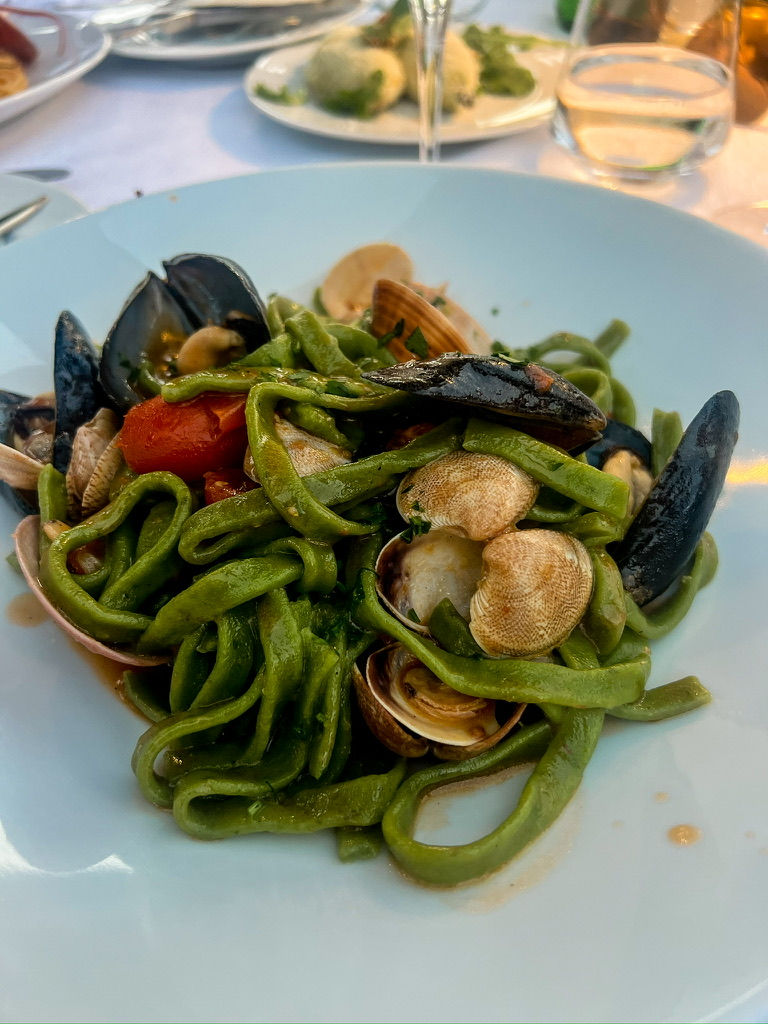
This is where a little confidence goes a long way.
You do not need to speak perfect Italian or understand every detail on the menu. You just need enough awareness to order thoughtfully. In practice, that usually means choosing what the region is known for, noticing what is in season, and resisting the urge to default to the most familiar-sounding dish.
For lunch, I often think lighter and simpler. An antipasto and a primo. A pasta and a vegetable. Something that still leaves room for walking, shopping, or a late-afternoon stop for coffee.
Dinner can hold a bit more shape, especially if it is a meal you have intentionally planned around. But even then, it does not need to become overdone. One of the most useful things to remember in Italy is that ordering well and ordering a lot are not the same thing.
What tends to work best
Start with the regional classic
Ask what is seasonal
Notice what the restaurant clearly does well
Be open to sharing
Let one strong dish lead rather than ordering too broadly
A thoughtfully ordered meal almost always feels more elegant than an overbuilt one.
What to Eat in Italy, By Region
This is where Italy becomes even more rewarding. The food gets better when it becomes more specific.
Rome
Rome is one of the best places to learn how satisfying simplicity can be. The classics are classics for a reason, and this is not the city to ignore them in favor of some catch-all tourist pasta.
Look for:

Cacio e pepe
Carbonara
Amatriciana
Gricia
Supplì
Carciofi alla romana
Carciofi alla giudia
Saltimbocca
Roman-style pizza
Rome is also a place where a sharp lunch can be wonderfully unfussy. A table outside, a polished pair of sunglasses, a crisp shirtdress or easy linen set, a plate of pasta done exactly right. It does not need much more than that.
Florence and Tuscany

Tuscany leans rustic in the best sense, but never careless. The food is rooted, confident, and deeply tied to the landscape.
Look for:
Bistecca alla fiorentina
Pappardelle al cinghiale
Ribollita
Pappa al pomodoro
Crostini toscani
Pecorino
Wild boar dishes
White beans and seasonal vegetables
This is the kind of region that rewards a little appetite and a slower lunch. It is also where you want to dress for the setting: something polished but relaxed, the kind of outfit that still makes sense with a glass of red at a long midday meal.
Venice
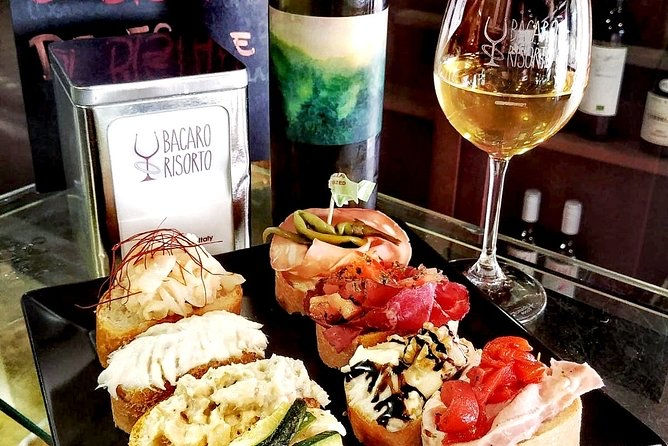
Venice is one of my favorite places to eat because it lends itself so naturally to grazing. It is less about one giant formal meal and more about drifting well. Cicchetti here, a spritz there, a seafood dish later when the evening feels right.
Look for:
Baccalà mantecato
Sarde in saor
Seafood pasta
Risotto al nero di seppia
Tramezzini
Bacari for small bites and drinks
Venice especially rewards flexibility. Some of the most enjoyable food moments are the ones you did not over-schedule.

Taste Venice
One Neighborhood at a Time
A cicchetti crawl is one of my favorite ways to experience Venice because it gives you permission to taste a little bit of everything while wandering through different parts of the city. You are not locked into one long meal. You are moving, looking, stopping, sipping, tasting, and letting the neighborhoods unfold between bites.
I created my Venice Cicchetti Guide to help you make the most of that experience, from what to order and how to navigate bacari to how to turn the whole thing into a relaxed, delicious way to tour Venice.
Milan
Milan feels a little more polished, and the food follows suit. Refined, classic, and often beautifully restrained.
Look for:
Risotto alla Milanese
Cotoletta alla Milanese
Ossobuco
Panettone in season
Aperitivo
Milan is a wonderful city for aperitivo done well. This is where I would happily lean into the more tailored side of travel style. A polished flat, a great blazer, an early-evening drink that turns into just enough food to count as dinner.
Naples
Naples is energetic, delicious, and wonderfully direct. The food has confidence.
Look for:

Pizza napoletana
Fried pizza
Cuoppo
Ragù napoletano
Sfogliatella
Babà
Mozzarella di bufala
This is not the place to overthink it. Order what Naples is known for and enjoy how unapologetically good it is.

What to Wear for the Italy You’re Actually Eating Through
Italy meals have a way of becoming part of the day: a long lunch after sightseeing, a seafood dinner by the water, aperitivo that turns into something more, or a pasta stop that somehow becomes the memory.
My Italy Outfit Guide helps you pack polished, practical looks for the real rhythm of an Italy trip, from market mornings and museum days to coastal lunches, train transfers, and dinners that deserve a little effort.
Capri and the Amalfi Coast
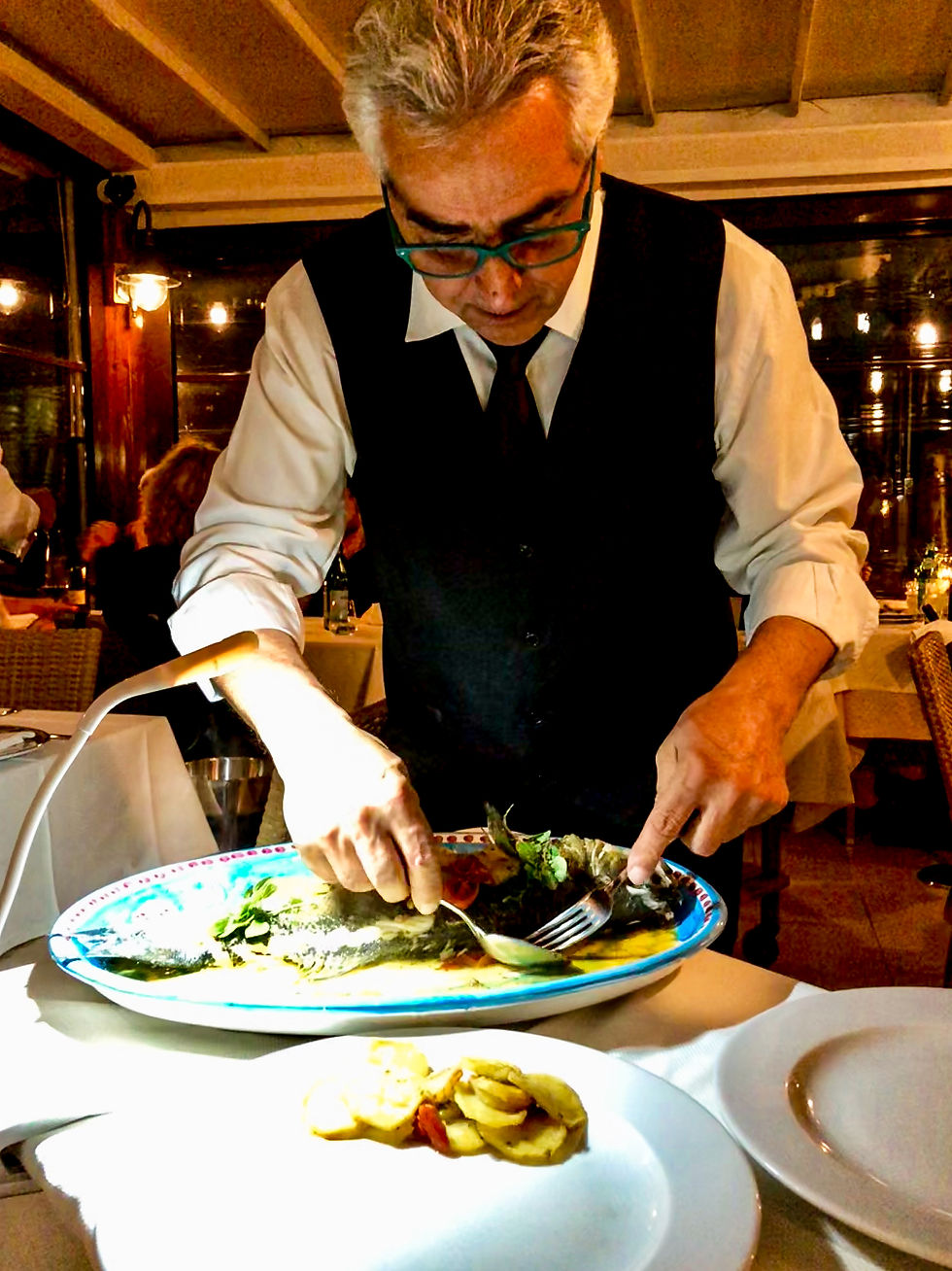
This is one of those parts of Italy where lunch can easily become the memory. Tomatoes, lemons, seafood, simple pastas, a chilled white wine, and a setting that does a lot of the work.
Look for:
Ravioli capresi
Insalata caprese
Seafood pasta
Scialatielli ai frutti di mare
Grilled fish
Lemon desserts
Local white wines
This is also where I tend to think most about travel style meeting practicality. Beautiful but wearable. Sandals that can handle steps. A dress that still feels right at lunch and into the afternoon. Italy is simply better when you plan for the actual day you are having.
Bologna and Emilia-Romagna

If you care deeply about food, Bologna deserves your attention.
Look for:
Tagliatelle al ragù
Tortellini in brodo
Lasagna verde
Mortadella
Parmigiano Reggiano
Prosciutto di Parma
Traditional balsamic vinegar products
One quick correction worth knowing: in Bologna, look for tagliatelle al ragù, not spaghetti bolognese. This is exactly the kind of detail that makes a trip feel more informed and much less generic.
Sicily
Sicily is one of Italy’s most exciting regions to eat through. The flavors are bold, the influences are layered, and the food feels distinct in a way that stays with you.
Look for:
Arancini
Pasta alla Norma
Caponata
Cannoli
Granita
Brioche con gelato
Swordfish
Pistachio dishes
Palermo street food
Sicily is also a good reminder that not every memorable meal needs a formal setting. Some of the best things you eat will come from a market, a bakery, or a street-side counter with a line.
Menu Words That Are Actually Worth Knowing
A few menu words make the entire experience easier.
Antipasti = starters
Primi = pasta, risotto, soup, first course
Secondi = meat or fish
Contorni = side dishes
Dolci = desserts
Vino della casa = house wine
Coperto = cover charge
Servizio incluso = service included
Alla griglia = grilled
Al forno = baked
Fritto = fried
Del giorno = of the day
Della casa = house specialty
Stagionale = seasonal
Il conto, per favore = the check, please
This is exactly the kind of small preparation that makes the trip feel smoother. Not because you are trying to perform expertise, but because a little familiarity lets you relax into the experience faster.
A Few Italian Phrases That Help at the Table
You do not need fluent Italian. You just need enough to make the interaction feel gracious.
A few easy ones:
Buongiorno = good morning / good day
Buonasera = good evening
Vorrei… = I would like…
Che cosa consiglia? = What do you recommend?
Possiamo condividere? = Can we share?
Senza… = without…
Va bene così = that is perfect / that works
Il conto, per favore = the check, please
In larger cities, you can often get by in English. Still, making a small effort changes the tone in such a nice way. It feels more respectful, more connected, and more in step with the experience you came for.
Styled & Miles Travel Tech Note: This is also where a few practical travel tech pieces earn their place. A reliable portable charger, saved offline maps, an offline translation app, and a tidy cord pouch can make dining days much easier, especially when you are moving between neighborhoods, checking menus, translating a word, or finding your way back after one more glass of wine felt like a very reasonable idea.
What Not to Do When Ordering in Italy
Most food mistakes in Italy are not dramatic. They are just the result of approaching the meal too generically.
Do not expect every restaurant to work the same way
Meals unfold differently in Italy. Courses come out in rhythm, not in a rush.
Do not over-customize
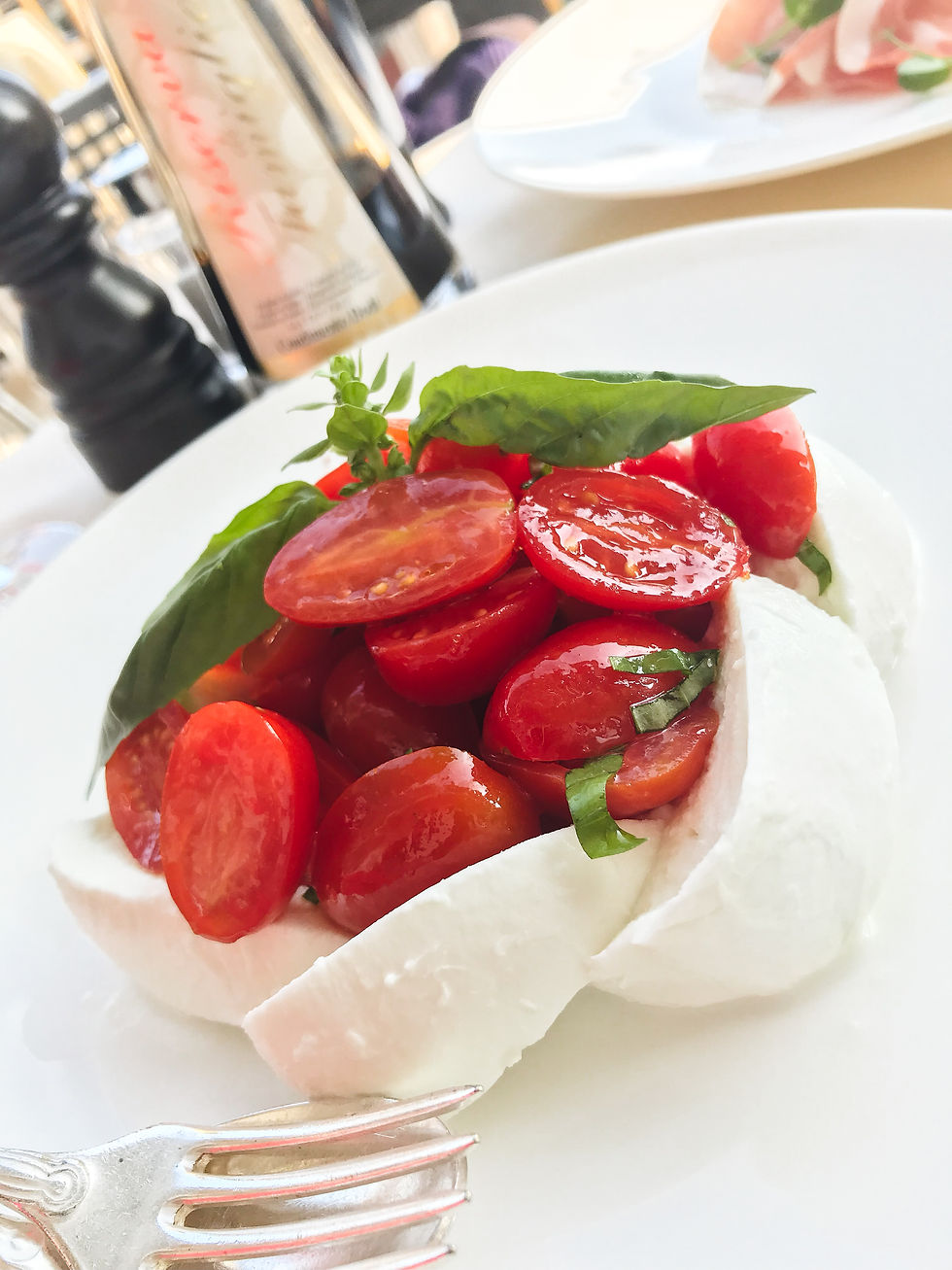
Some places are flexible. Some are not. In more traditional restaurants, the dish is usually meant to be experienced as written.
Do not panic about the check
You often need to ask for it. That is normal.
Do not overlook the local specialty
If the restaurant, city, and region are all pointing you toward one dish, pay attention.
Do not treat coperto like a surprise fee
It is common and usually clearly listed.
These are small things, but they shape the experience. The more you understand the cadence, the more natural it all feels.
How to Order Wine in Italy Without Making It Complicated
One of the nicest things about Italy is that wine does not have to become a project.
You do not need a long speech. You do not need encyclopedic knowledge. In many places, the smartest move is simply to order local. Ask what the region is known for. Ask what pairs well with the dish. Ask whether the house wine is good. Very often, it is.
That is one of the details I love most about dining in Italy. Wine can feel integrated rather than theatrical. It belongs to the meal. It supports the food. It helps the whole thing feel more complete.
A few easy questions:
What local white do you recommend?
What red would you have with this?
Is the house wine a good choice?
Simple usually works beautifully here.

Want the Easy Version at the Table?
If this post made you realize how much better Italy gets when you know what to order, my Italy Food Cheat Sheet gives you the practical version to keep with you while you travel: regional dishes, menu words, ordering phrases, and dining notes you can actually use in the moment.
Coffee Rules That Help

Italian coffee culture has its own rhythm, and knowing a little makes a difference.
Cappuccino is generally a morning drink. Espresso is usually ordered simply as caffè. Coffee is often enjoyed standing at the bar, quickly and casually, especially earlier in the day. After lunch or dinner, espresso is the classic finish.
Of course, you can still order what you want. But if you like understanding the flow of a place, this is one of those easy details that helps.
A Few Food Experiences Worth Building Into the Trip
Not every food memory in Italy needs to come from a famous reservation.
Have one lunch that lingers. Do an aperitivo properly. Visit a market even if you are not cooking. Order the regional dish you would normally skip. Let a server guide one meal.Stop for something small because it looks good, not because it was on your itinerary.
Those are often the moments that stay with you.
Italy is especially good at rewarding a little flexibility.
Travel Dining Essentials That Are Actually Useful
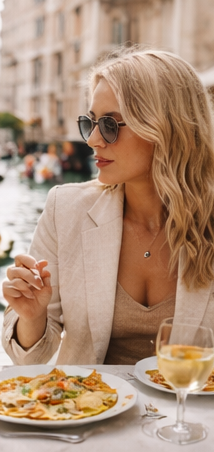
I always think travel is better when style and practicality work together, and food days in Italy are no exception. A few smart extras make a real difference without adding clutter.
Think:
an elegant crossbody that works from lunch into evening
a portable charger for menus, maps, and translation
a slim card case
a compact stain remover pen
a packable tote for market finds
reading glasses if you ever need them in dim restaurant lighting
These are not glamorous additions, but they are the kinds of details that help the day feel more effortless.
A good Italy day bag needs to work from coffee to lunch to a long walk to dinner without becoming annoying halfway through the day. I look for something polished, secure, lightweight, and roomy enough for the real essentials: phone, card case, sunglasses, lip balm, portable charger, and the small things that keep a travel day moving.
I rounded up the bags I would actually carry in Italy, from refined crossbodies to polished travel-friendly options that still look good at the table. Shop the Best Bags for Italy
FAQ: What to Eat in Italy and How to Order
What food should I try first in Italy?
Start with the regional classics of wherever you are. Italy gets much better when you stop looking for generic Italian food and start ordering what belongs to that place.
Do I need to order every course in Italy?
Not at all. Many of the best meals are just an antipasto and a primo, or one excellent pasta followed by dessert.
Is it rude to ask for the check?
No. In Italy, lingering is normal, so you typically ask when you are ready.
What is coperto?
It is a cover charge, usually charged per person. It is common and not unusual.
Do I need to speak Italian to order well?
No, but knowing a few words and phrases makes everything feel easier and more gracious.
What is the best way to order wine in Italy?
Ask for a local recommendation or try the house wine. It is often one of the easiest and best choices.
Planning the Whole Italy Trip?
Start Here.
Food is one of the best parts of Italy, but it is only one piece of the trip. Hotels, trains, restaurant timing, museum tickets, neighborhood choices, packing, and day-by-day planning all work better when they have a little structure.
My Italy Planning Kit helps you pull the full trip together in one organized place, so the details feel thoughtful instead of scattered across 47 open tabs.

Final Thoughts: What to Eat in Italy and How to Order It Well
Italy is one of the easiest places in the world to eat memorably, but it is also one of the easiest places to do a little better with a little preparation.
That is really the point of this guide. Not to turn dining into homework. Not to make food feel formal. Just to help you walk into the meal with enough context to order well, enjoy more, and recognize the details that make the experience feel distinctly Italian.
That is how I like to travel Italy. Thoughtfully. Stylishly. With enough planning to make the trip smoother, but still enough room for the best kind of spontaneity.
Because the goal is never just to visit Italy.
It is to do Italy well.


Want More Italy Notes Like This?
If you like travel advice that feels useful, polished, and actually rooted in the way a trip unfolds, join The Styled & Miles Edit. I share smarter planning notes, packing ideas, food finds, and the little details that make a trip feel more considered from the start.


Comments