


Types of Restaurants in Italy: Bar, Trattoria, Osteria, Ristorante and What to Expect at Each

Some links in this post may earn me a small commission, at no extra cost to you. Think of it as a tiny thank-you for helping you avoid packing regret, bad shoes, and panic-shopping linen at the airport.
Eating in Italy is not just about choosing where to have lunch or dinner. It is about understanding the rhythm of the day, the formality of the room, the kind of meal you are actually about to have, and why a cappuccino at one place, a plate of pasta at another, and a long dinner somewhere else can all be equally Italian.
One of the things I love most about Italy, after more than 20 trips and many, many very good meals, is that dining feels layered. There is a place for the quick espresso at the bar. A place for the unfussy plate of pasta that somehow stays with you for years. A place for a polished dinner where you dress a little better, linger a little longer, and let the evening unfold.
But the names can be confusing at first.
Bar. Trattoria. Osteria. Ristorante. Enoteca. Tavola calda. Pizzeria. Alimentari.
They are not all interchangeable. And while modern Italy has blurred some of the old definitions, knowing the difference helps you choose better, order more confidently, and avoid walking into the wrong kind of place for the experience you actually wanted.
This is the Styled & Miles guide to the different types of restaurants in Italy, what to expect at each, and how to use them well.
Styled & Miles Insider Tip
Italy rewards travelers who pay attention.
Not in a fussy way. In a practical, beautiful, trip-improving way.
The more you understand how Italians structure the day, where they go for coffee,
what kind of place makes sense for lunch, and when a restaurant is worth dressing for,
the better the trip feels. You spend less time guessing and more time
enjoying the moment in front of you.
I have a cheat sheet (a guide, rather) for that.
The Quick Difference Between the Types of Restaurants in Italy
If you want the simple version, think of it this way:
A bar is where you go for coffee, breakfast, a quick drink, a snack, or an aperitivo.
A trattoria is usually casual, traditional, and focused on local food.
An osteria was historically a simple wine-focused place, though today it can range from rustic to very refined.
A ristorante is typically more formal, more structured, and often more polished.
An enoteca is centered around wine, often with small plates or a curated food menu.
A pizzeria is, of course, for pizza, though the style and formality vary by region.
A tavola calda is a practical spot for ready-made hot food, often ideal for a casual lunch.
A paninoteca is focused on sandwiches.
A pasticceria is where you go for pastries, sweets, and often coffee.
An alimentari is a food shop, but it can also be one of the best places to assemble a simple lunch.
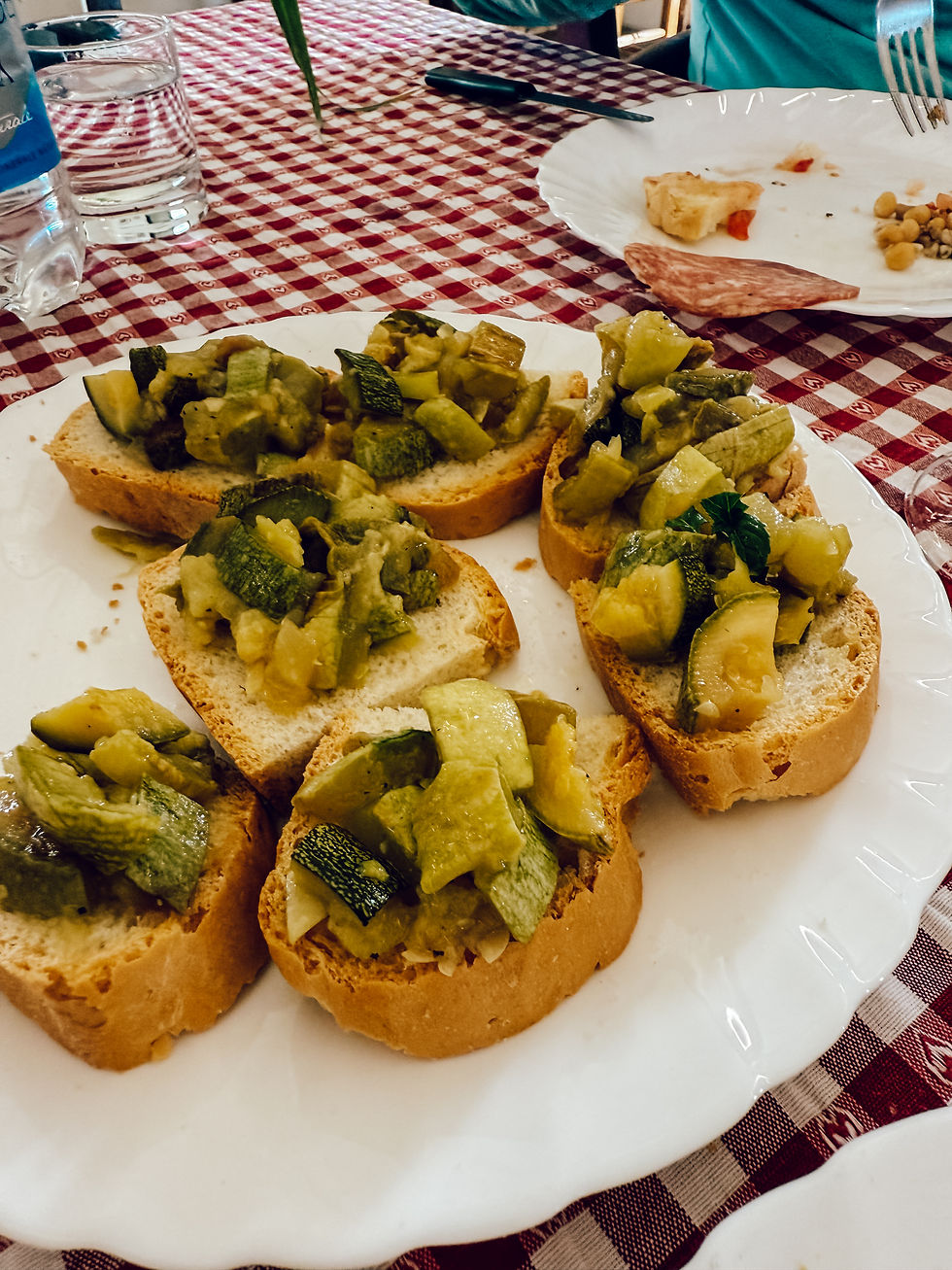
The beauty of Italy is that the “best” meal is not always the most formal one. Sometimes it is a plate of pasta at a neighborhood trattoria. Sometimes it is a glass of wine at an enoteca. Sometimes it is a perfect espresso taken standing at the counter in a silk scarf and sunglasses before the day has fully started. One of the best meals I've ever had was made by a Nona at the smallest winery I've ever been to (we had the wine tasting and lunch in their home!) in Cortona.



Why Italy Has So Many Different Types of Restaurants
Italy’s food culture is deeply tied to rhythm, region, and ritual.
Meals are not treated as one-size-fits-all. Breakfast is usually small. Coffee has its own rules. Lunch can be quick or leisurely depending on the day. Aperitivo is its own elegant pause. Dinner starts later than many Americans expect and can range from casual to beautifully formal.
The different types of establishments exist because they serve different moments.
You do not need a full restaurant for a morning cappuccino and cornetto. You do not need a tasting menu when what you really want is a simple plate of regional pasta. You do not need to sit down for an hour when you are between a train and a museum reservation.
Italy gives you a category for almost every kind of appetite, schedule, and mood.
And when you understand those categories, you travel better.

Styled & Miles Insider Tip
Do not choose a place in Italy only by how hungry you are.
Choose it by the moment.
Are you starting the day? Find a bar. Are you between sights? Look for a tavola calda, alimentari, or paninoteca.
Do you want regional comfort food? Choose a trattoria.
Do you want wine and small plates? Find an enoteca.
Do you want a polished evening? Book a ristorante.
That tiny shift can change the whole trip.
Bar in Italy: Coffee, Breakfast, Aperitivo and Everyday Ritual
An Italian bar is not the same thing as an American bar.
Yes, you can often get alcohol there. But in Italy, a bar is also where you go for coffee, breakfast, a quick sandwich, a bottle of water, a spritz, a small snack, or a casual aperitivo.
It is one of the most essential parts of daily life in Italy.
In the morning, you will see locals stopping in for an espresso or cappuccino, often standing at the counter. Breakfast is usually simple: a cornetto, maybe a pastry, and coffee. This is not the place for a giant brunch spread. It is efficient, social, and quietly stylish.
Later in the day, that same bar may become the place for a glass of wine, an Aperol Spritz, or a few small snacks before dinner.
What to Expect at an Italian Bar
At many bars, you can either stand at the counter or sit at a table. Standing is usually cheaper. Sitting, especially in a piazza or historic center, may cost more because you are paying for table service and the view.
In some places, you pay first at the register, take your receipt, then give it to the person behind the bar. In others, you order first and pay after. Watch what locals do for thirty seconds and you will usually understand the system.
What to Order at a Bar
In the morning, order a cappuccino, caffè, caffè macchiato, or cornetto. In the afternoon, think espresso, sparkling water, a spritz, a glass of wine, or a small sandwich.
My personal Italy rhythm usually starts here. A coffee at the bar, sunglasses on, day bag packed, itinerary ready, and the kind of outfit that can handle cobblestones without looking like I surrendered to them.
That is the sweet spot of Italian travel. Practical, but still polished.

Shop the Italy Market Morning Edit
Market mornings are one of the best parts of food-focused travel: the espresso before the crowds, the first pastry of the day, the fruit that looks prettier than anything at home, and the very serious decision of whether cheese counts as a souvenir. It does.
For these mornings, the outfit should feel easy, breathable, and polished without trying too hard. Think relaxed button-downs, soft knits, straight-leg denim, comfortable sneakers, ballet flats, crossbody bags, and market totes that can carry flowers, bread, and whatever else you swore you were not buying.
Trattoria: Casual, Traditional and Usually Exactly What You Wanted
A trattoria is one of the best places to eat in Italy when you want a real meal without too much ceremony.
Traditionally, trattorias are family-run, casual, and focused on local or regional cooking. They tend to be less formal than ristoranti, though the line can be blurry. Some trattorias are rustic and simple. Others are stylish, reservation-worthy, and quietly sophisticated.
The heart of a trattoria is comfort and tradition.
This is where you might find handmade pasta, seasonal vegetables, a local meat dish, a house wine, and desserts that feel more like someone’s grandmother made them than a pastry chef plated them with tweezers.
What to Expect at a Trattoria
Expect a relaxed setting, regional dishes, and a menu that may be smaller than what you are used to seeing in the U.S. That is usually a good sign.
A trattoria does not need to offer everything. In fact, it should not. The best ones often know exactly what they do well.
You may see a printed menu, a chalkboard, or daily specials recited by the server. The service may be warm, direct, or very matter-of-fact. Do not mistake simplicity for a lack of quality. Some of the most memorable meals in Italy happen in rooms that are not trying too hard.
When to Choose a Trattoria
Choose a trattoria when you want a proper lunch or dinner, especially if you are looking for traditional food from the region you are visiting.
In Florence, that may mean ribollita, pappardelle al cinghiale, or bistecca alla Fiorentina. In Rome, it might be cacio e pepe, amatriciana, or saltimbocca. In Venice, it could be seafood, risotto, or dishes tied to the lagoon.
A trattoria is often the right answer when you want the meal to feel local, grounded, and satisfying.
What I Look For in a Good Trattoria
A short menu
Regional dishes
Seasonal specials
Local wine
Tables filled with people who are actually eating, not just photographing
A room that feels confident without being overly designed
The goal is not perfection. The goal is a meal that feels like it belongs exactly where you are.
Osteria: From Rustic Wine Spot to Stylish Local Favorite
An osteria was traditionally a simple place focused on wine, with food served alongside it. Historically, it might have been more casual than a trattoria, with a limited menu and a strong local feel.
Today, the word osteria can mean many things.
Some osterie are still rustic, cozy, and simple. Others are elevated, design-forward, and very well known. In fact, some of Italy’s most famous restaurants use the word osteria, even when the experience is anything but casual.
So the name alone does not tell you everything.
What to Expect at an Osteria
Expect a place that may be wine-forward, regional, and slightly more intimate in feeling. The menu may be small. The dishes may be traditional or creative. The room may feel old-world and simple, or modern and highly curated.
An osteria can be a wonderful choice when you want something atmospheric, local, and less predictable than a standard restaurant.
When to Choose an Osteria
Choose an osteria when you want a meal that feels rooted in place, especially if wine is part of the experience.
This is the kind of place I love for a slower evening. The outfit is still comfortable, because Italy always involves more walking than you think, but maybe this is where the linen dress comes out, the gold earrings go on, and the day turns into dinner without trying too hard.
Styled & Miles Insider Tip
Do not assume “osteria” automatically means inexpensive or casual.
Always check the menu, photos, location, and reservation requirements.
Some osterie are simple neighborhood spots. Others are destination restaurants with prices and expectations to match.
Ristorante: More Formal, More Structured, Often More Polished
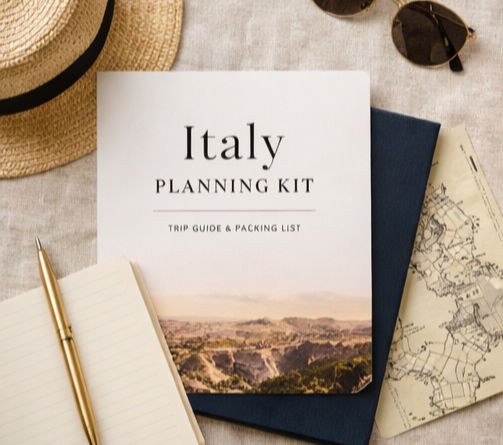
A ristorante is usually the most formal category of the traditional Italian dining establishments.
That does not mean it has to be stiff. It simply means the experience is often more structured. You may find a more extensive menu, a more polished room, a stronger wine list, more attentive service, and a higher price point.
A ristorante can be classic, elegant, modern, romantic, or Michelin-level. It can also be fairly relaxed, depending on the town and region.
What to Expect at a Ristorante
Expect a sit-down meal with table service. Reservations are often a good idea, especially in major cities, coastal destinations, and popular travel seasons.
You may be offered multiple courses: antipasto, primo, secondo, contorno, dolce. You do not always have to order every course, but understanding the structure helps.
A ristorante is often where you go for a special dinner, a more refined evening, or a meal you want to build part of the day around.
When to Choose a Ristorante
Choose a ristorante when you want the evening to feel intentional.
This is the place for the beautiful dinner after a day in Florence, the seafood meal on the coast, the long Roman evening, the anniversary reservation, the white tablecloth moment, or the last-night meal you want to remember.
It is also where wardrobe planning matters a little more. Italy is not about being overdressed in a theatrical way. It is about looking considered. A great dress, a low block heel or elegant flat, a tailored jacket, a small evening bag. You do not need to be uncomfortable. You do need to look like you knew where you were going.
Day to Evening Looks for Travel
The best Italy outfits are the ones that can do more than one thing beautifully. You need pieces that can survive a morning of sightseeing, a museum stop, a long lunch, a little shopping, a very necessary gelato, and dinner without making you feel like you should have gone back to the hotel and started over.

Enoteca: Wine First, Food Second, Usually Very Worth It
An enoteca is a wine shop or wine bar, often serving small plates, snacks, or a more developed menu depending on the place.
For travelers who love food and wine, an enoteca can be one of the best ways to experience a region. You can taste local wines, ask questions, order a few small dishes, and settle into a slower part of the day.
Some enoteche are casual and shop-like. Others feel more like intimate restaurants with serious wine programs.
What to Expect at an Enoteca
Expect wine to lead the experience. Food may include cheese, cured meats, crostini, small plates, pasta, or regional specialties.
This is a wonderful option for aperitivo, a light dinner, or a relaxed evening when you do not want a full multi-course meal.
When to Choose an Enoteca
Choose an enoteca when you want to understand the region through the glass.
In Tuscany, this might mean Chianti Classico, Brunello, or Vernaccia. In Piedmont, Barolo or Barbaresco. In Sicily, Etna wines. In Veneto, Valpolicella or Prosecco.
A good enoteca gives you a sense of place without requiring a formal tasting appointment or a full restaurant reservation.
Want to Eat Better in Italy Without Overplanning Every Meal?
The best Italy meals usually come from a mix of planning and instinct. Know what to book. Know what to leave open. Know the difference between a quick bar coffee, a proper trattoria lunch, and the dinner worth dressing for.
Sign up for The Styled & Miles Edit for Italy travel notes, dining tips, packing ideas, and polished planning advice that helps you travel well from the first espresso to the last reservation.
Pizzeria: Simple in Theory, Serious in Practice
A pizzeria is focused on pizza, but Italy takes pizza seriously, and styles vary by region.
Naples is the spiritual home of soft, blistered, wood-fired pizza with a tender center and airy crust.
Rome has its own pizza traditions, including thin, crisp round pizzas and pizza al taglio, which is served by the slice or by weight.

Other regions have their own versions, preferences, and local favorites.
What to Expect at a Pizzeria
Some pizzerias are casual and quick. Others are sit-down restaurants with reservations, wine lists, starters, and desserts. Many open only for dinner, especially traditional wood-fired pizzerias.
At a classic pizzeria, each person often orders their own pizza. It is not always treated as a shared dish the way it often is in the U.S.
When to Choose a Pizzeria
Choose a pizzeria when you want a casual, satisfying meal that still feels very Italian.
This is especially perfect on a travel day, after a long museum day, or when everyone in the family needs an easy win. It is also one of the best choices for children, although adults should not underestimate how memorable a truly good pizza night in Italy can be.
Tavola Calda: A Practical Lunch Spot You Should Know
Tavola calda means “hot table,” and it usually refers to a casual place serving prepared hot foods.
This is not usually your long, romantic Italy lunch. It is more practical than that. But it can be incredibly useful when you are sightseeing, in transit, or need something quick that is more substantial than a snack.
What to Expect at a Tavola Calda
You may find pastas, roasted vegetables, meats, arancini, lasagna, stuffed vegetables, or other prepared dishes. Food is often displayed behind glass, and you choose what you want.
Some tavola calda spots have seating. Others are better for takeaway.
When to Choose a Tavola Calda
Choose a tavola calda when you need an efficient lunch and do not want to sacrifice the day to a long sit-down meal.
This is the kind of place that can save you between train rides, museum tickets, shopping plans, and the moment when everyone suddenly realizes they should have eaten an hour ago.
Why This Matters for Itinerary Planning
One of the biggest mistakes travelers make in Italy is planning every meal
as if it needs to be a full restaurant experience.
It does not.
Some days need a beautiful dinner. Some need a quick lunch.
Some need aperitivo and a late reservation. Some need a picnic from an alimentari
and a gelato afterward.
Knowing the difference keeps the trip from feeling overbooked.
Paninoteca: Sandwiches, Schiacciata and Easy Lunches
A paninoteca is focused on sandwiches, often made with local breads, cured meats, cheeses, vegetables, and spreads.
In Florence, you may see schiacciata sandwiches (All' Antico Vinaio), which have become especially popular with travelers. In other cities, you will find different regional breads and fillings.

What to Expect at a Paninoteca
Expect a casual, quick format. Some have seating, but many are designed for takeaway. Lines can be long at famous spots, especially in major tourist cities.
A paninoteca is not always fancy, but it can be exactly right.
When to Choose a Paninoteca
Choose a paninoteca when you want a casual lunch that still feels specific to Italy.
This is ideal for sightseeing days, shopping days, or travel days when you want something satisfying but not slow.
Pasticceria: Pastries, Sweets and the Art of the Little Treat
A pasticceria is a pastry shop. It may serve coffee too, but the focus is sweets.
This is where you go for pastries, cakes, biscotti, cannoli, sfogliatelle, regional desserts, and beautiful little things you may not have planned for but absolutely should not ignore.

What to Expect at a Pasticceria
Some pasticcerie are casual neighborhood spots. Others are elegant, historic, and beautifully packaged. You may order at the counter, pay at a register, or sit if tables are available.
This is a lovely stop in the morning, afternoon, or when you want to bring something back to your hotel or apartment.
When to Choose a Pasticceria
Choose a pasticceria when you want a sweet moment rather than a full meal.
I especially love this category because it fits the way I like to travel in Italy. A beautiful walk, a small pastry, a coffee, a little pause between plans. Not everything has to be a major reservation to become memorable.
What to Wear to a Long Italian Lunch
A great European lunch has a way of becoming the entire afternoon, which is precisely why the outfit matters. You want something comfortable enough for a long walk to the restaurant, polished enough for a terrace table, and forgiving enough for pasta, wine, dessert, and the deeply necessary espresso afterward.

Alimentari: The Food Shop That Can Become Lunch
An alimentari is a small food shop, often selling cheeses, cured meats, bread, pantry items, wine, fresh products, and prepared foods.
It is not always a restaurant, but it can be one of the smartest places to create a simple meal.
If you are staying in an apartment or villa, this is your friend. If you want picnic supplies, train snacks, wine for the room, or something easy after a long travel day, an alimentari can be perfect.
What to Expect at an Alimentari
Expect a shop rather than a formal dining experience. You may need to ask for items by weight or point to what you want. Some alimentari also make sandwiches or sell prepared dishes.
When to Choose an Alimentari
Choose an alimentari when you want a casual, local-feeling meal without sitting down in a restaurant.
A bottle of wine, a few cheeses, prosciutto, olives, bread, fruit, and something sweet can turn into one of the most beautiful low-effort meals of the trip.
This is especially useful on arrival day, when you are tired but still want the first night to feel like Italy.
Gelateria: Not a Meal, Still Essential
A gelateria is where you go for gelato, and yes, it deserves its own category.

In Italy, gelato is not just a dessert after dinner. It can be an afternoon pause, a post-lunch treat, an after-dinner walk, or the thing that saves the mood when the itinerary has gone slightly sideways.
What to Expect at a Gelateria
Some gelaterie are excellent. Some are very touristy. Look for natural colors, covered metal containers, seasonal flavors, and shops that do not pile neon gelato into dramatic mountains.
When to Choose a Gelateria
Choose a gelateria whenever the day calls for it. (And sometimes more than once!)
Which, in Italy, is often.
How to Spot Better Gelato
Look for pistachio that is muted, not bright green.
Look for banana that is pale, not neon yellow.
Look for seasonal fruit flavors.
Look for covered tubs if possible.
Be skeptical of giant, fluffy mounds displayed high above the case.
Good gelato usually looks quieter.
Agriturismo: A Countryside Meal Worth Planning Around
An agriturismo is a working farm stay or countryside property that may serve meals made with local or farm-produced ingredients.
You will find them throughout Italy, especially in rural regions like Tuscany, Umbria, Piedmont, Puglia, and Sicily.
Some agriturismi are rustic. Others are quite elegant. Many offer meals that feel deeply connected to the land around them.
What to Expect at an Agriturismo
Expect a slower, more rural experience. Menus may be fixed or seasonal. Ingredients are often local, and the setting may be part of the appeal.
You may need a car to reach one, and reservations are usually important.
When to Choose an Agriturismo
Choose an agriturismo when you want the meal to feel like part of the landscape.
This is not usually a quick lunch between museums. It is a countryside experience. The kind of meal that pairs beautifully with a linen shirt, a relaxed dress, a low sandal, and nowhere urgent to be afterward.
Pastificio: Fresh Pasta Shops and Casual Pasta Spots
A pastificio is a pasta maker or pasta shop. Some sell fresh pasta to cook at home, while others also serve prepared pasta dishes.
In cities with apartment stays, a pastificio can be a dream. It gives you access to beautiful fresh pasta without needing a full restaurant reservation.
What to Expect at a Pastificio
Some pastifici are retail shops. Others serve simple pasta meals. Offerings may be limited, fresh, and highly regional.
When to Choose a Pastificio
Choose a pastificio if you are staying somewhere with a kitchen, or if you come across one serving casual pasta at lunch.
It is also a great reminder that some of Italy’s best food experiences are not built around formality. They are built around quality.
How to Choose the Right Place for the Right Moment
Italy gets easier when you stop asking, “Where should we eat?” and start asking, “What kind of moment are we planning?”
For a quick morning coffee, choose a bar.
For a traditional local meal, choose a trattoria.
For wine and atmosphere, choose an osteria or enoteca.
For a polished dinner, choose a ristorante.
For a casual pizza night, choose a pizzeria.
For a practical lunch, choose a tavola calda or paninoteca.
For picnic supplies or apartment meals, choose an alimentari.
For sweets, choose a pasticceria or gelateria.
For a countryside experience, choose an agriturismo.
This is the part of Italy planning that feels small but makes a real difference.
Because the best trips are not only about booking the famous places. They are about knowing when to book, when to wander, when to stop for coffee, when to dress for dinner, and when to let a simple plate of pasta be enough.
Want the Organized Version of Eating Your Way Through Italy?
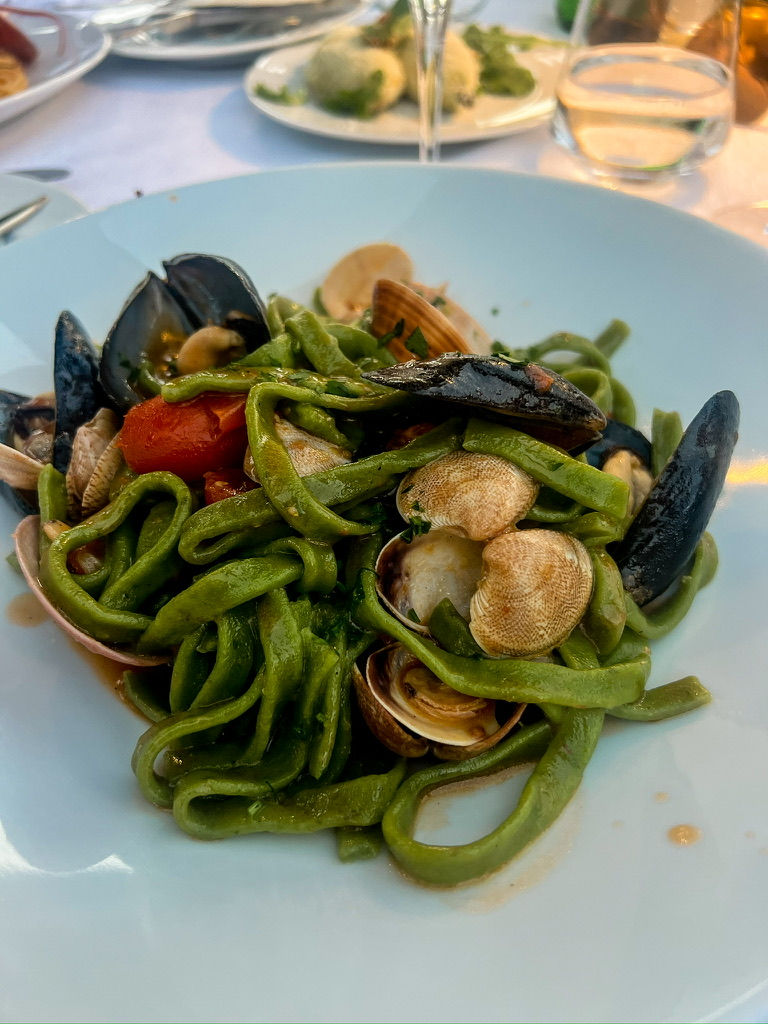
If you want the organized version of all of this, my Italy Food Cheat Sheet helps you make sense of what to eat, where to eat it, and how to plan your meals without turning the trip into a spreadsheet.
Use it to feel more confident ordering, choosing restaurants, building your itinerary, and knowing which meals deserve a reservation and which ones are better left open for discovery.
Before You Go to Italy!
Join The Styled & Miles Edit for polished Italy planning notes, food and wine tips, packing guidance, and destination ideas designed for travelers who want to do Italy beautifully, not frantically.
Less over-planning. Better decisions. More meals worth remembering.
Final Thoughts on the Types of Restaurants in Italy
The difference between a bar, trattoria, osteria, and ristorante may seem small before you go. Once you are there, it starts to shape the entire trip.
You begin to understand why coffee happens quickly at the bar. Why lunch does not always need to be formal. Why a trattoria can be more satisfying than a famous restaurant. Why an enoteca can become the best part of the evening. Why the right ristorante reservation can turn a good day into a beautiful one.


Comments